| Speciality coffees
are high quality coffee, produced in special
geographic microclimates that give it its
unique flavour profile. This coffee is different
from normal coffee in terms of cup and visual
quality. Speciality coffee has its own distinct
taste, imbibing the flavours from its environment.
Underlying
this idea is the fundamental premise that
specialty coffee beans would always be well
prepared, freshly roasted, and properly
brewed. This is the craft of the specialty
coffee industry that has been evolving slowly.
Specialty
coffee begins at the origin of coffee by
planting a particular variety into a specific
growing region of the world, and includes
the care given to the plant through harvest
and preparation for export. There are regions
that have proved their ability to grow great
coffee owing to their attributes like altitude,
latitude and soil among others.
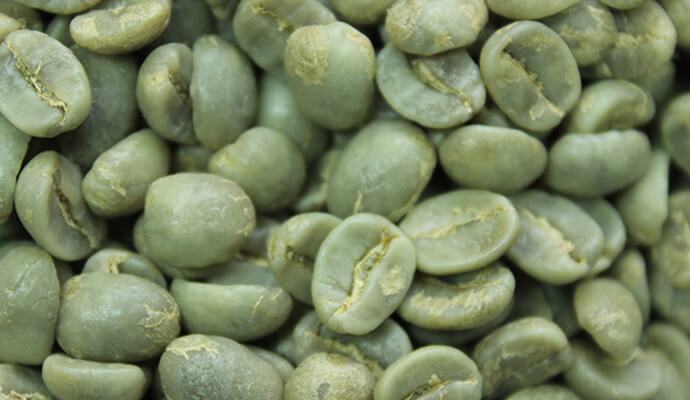
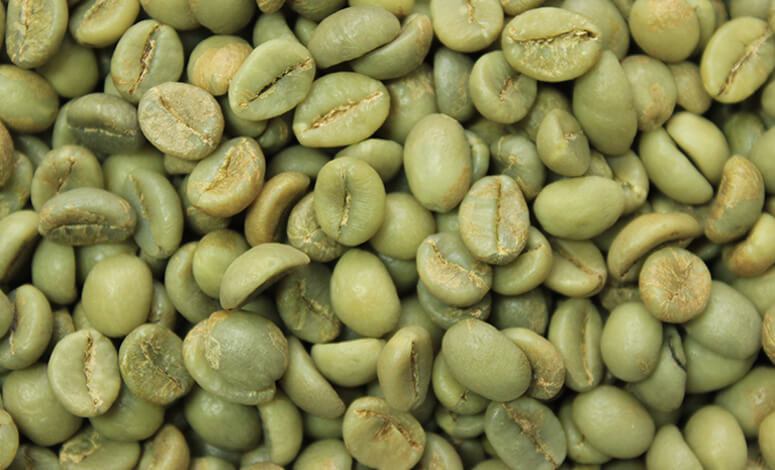
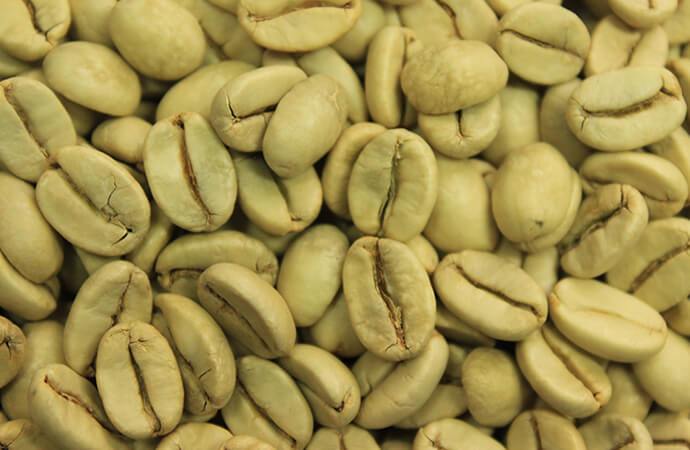
The
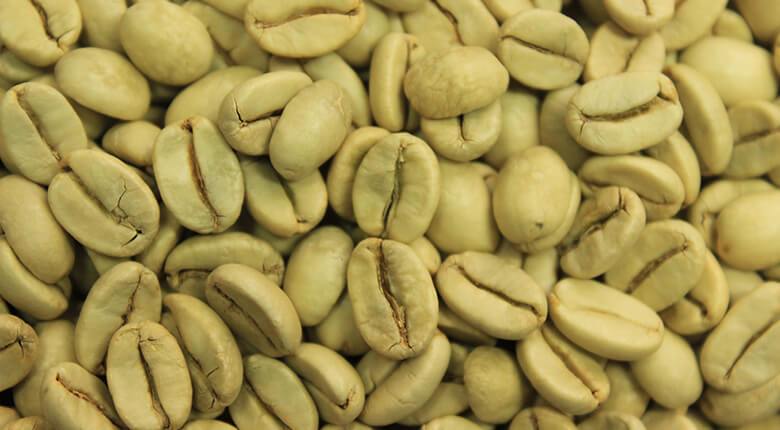
Green Coffee Classification Chart clearly
defines specialty coffee in the green bean
phase as a coffee that has no defects and
has a distinctive character in the cup.
The grade just below specialty is labelled
as 'premium'.
The
premium grade has no primary defects, but
does not necessarily evidence a distinctive
character. It has to be notably distinct
to be graded into a 'specialty coffee'.
Specialty
coffee, in the end, is defined in the cup.
It takes many steps to deliver that cup
into the customers' hands. Each of those
steps can uphold the classification of specialty,
provided that the quality has been maintained
all through the preceding steps. Given the
efforts taken to produce specialty coffee,
and given how pleasurable such a cup can
be, the definition for it should be jealously
guarded, protecting its meaning and credibility,
so that the word specialty is used only
when it is worth it.
Tata Coffees
Specialty offerings:
Excellent
washed Arabicas and Robustas are the hallmark
of Tata Coffee. The entire process from
growing, picking, fermenting, pulping, washing
and milling is handled by Tata Coffee. It
has the best infrastructure in terms of
irrigation tanks, McKinnon pulpers, fermentation
tanks, etc.
Coffees
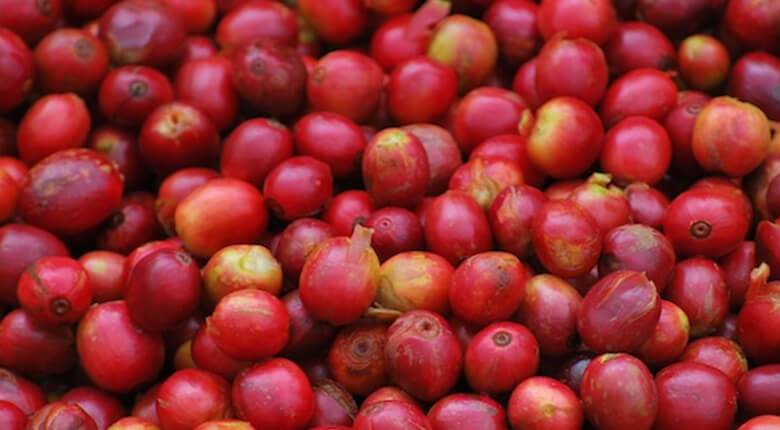
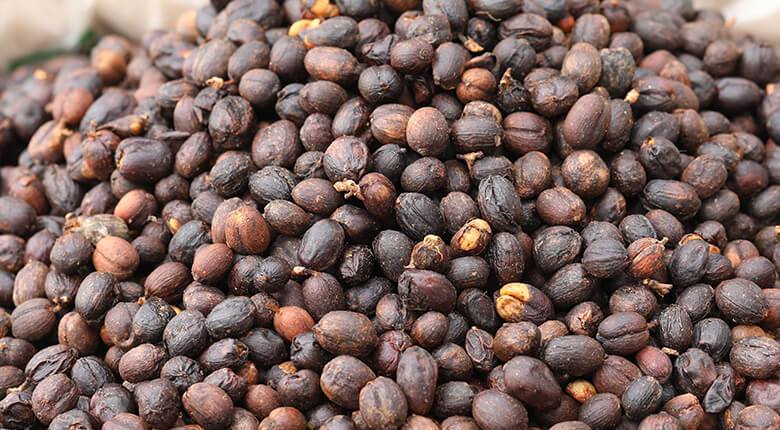
are entirely shade grown and sun dried.
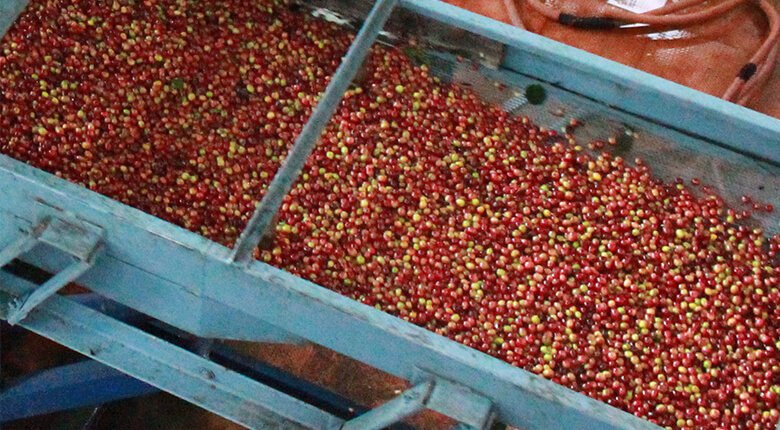
At the estate level, multiple rounds of
picking are carried out to ensure that only
fully ripe cherries are picked. Meticulous
care is taken during the pulping and fermentation
process. The number of hours of soaking
required varies from estate to estate basedon
altitude and temperature at the estate which
has been prescribed by our R&D lab after
research.
Picking
is carried out from towards the end of November
to February for Arabicas and from January
to March for Robustas.
Tata's
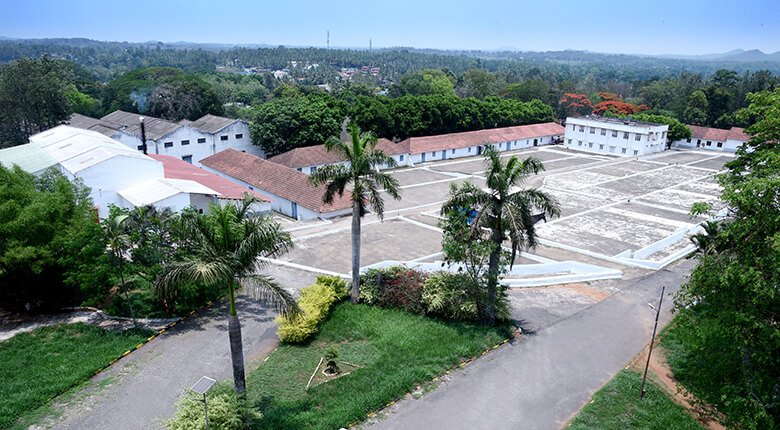
dry mill, Kushalnagar Works, has a capacity
of 20,000 mt per annum and is equipped with
state-of-the-art machinery which includes
Elexso colour sorters, Pinhalense gravity
separators, container bulk loading machinery,
etc. Coffee is stored and milled separately
for each estate, thus maintaining the estate
identity of the coffee and ensuring traceability
to the estate.
Utz
Kapeh: meaning good coffee in Mayan
language is becoming popular among socially
conscious consumers. Tata Coffee farms are
100 per cent Utz Kapeh certified.
SA
8000: Tata Coffee is the only plantation
company in the world which has a social
accountability certification. This certification
reinforces Tatas focus on workers
conditions, welfare and rights.
Coffee
Quality
Tata
coffee has an independent Quality Lab which
is accredited by the Coffee Board of India.
Each estate's coffee is cupped and rated
according to the cup profile at the Quality
Lab and the results communicated to the
estate manager for future guidance.
Tata
Coffee's farms have been consistently bagging
awards at the Flavour of India Fine Cup
Awards held annually and it recently bagged
the Gold for Best Robusta in the world at
the Grand Crus de CafÚ, Paris in
2004. Six of the 10 best Indian coffees
selected by the renowned US based speciality
coffee taster and writer, Kenneth Davids,
were coffees from Tata farms. Kenneth Davids,
a coffee taster based in Berkeley, California
created a portfolio of India's 10 best coffees
in 2004. He goes on to say, "The first
time I encountered Indian coffees in any
depth was as a judge at the first 'Flavour
of India Fine Cup Awards' in Bangalore.
I made several discoveries on that visit:
the quality and often surprising distinctiveness
of the competing coffees, the rich variety
of Indian coffee types, and the impressive
ecology of Indian coffee farms, with their
gigantic native shade trees and lush interplantings
of pepper, fruit and spices. I hope that
my descriptions and assessment of these
10 coffees and their easy availability will
encourage an understanding of the unique
contribution Indian coffees can make to
the varied and cosmopolitan world of North
American speciality coffee."
Of
the 10 coffees adjudged, six coffees belong
to Tata estates. To be more specific, four
out of five Arabica estates were from Tata
estates and two of out five Robusta estates
were Tata estates.
The
six estates have been listed and described
below along with the uniqueness of the other
estates.
Monsooned
Malabar, Mysore Nugget Extra Bold and Robusta
Kaapi Royale are three prominent specialty
Indian coffees grown and processed.
Tata's
award winning farms Farms
Jumboor
Splendour
The coffees
of this farm have been consistently winning
awards at the Flavour of India Fine Cup
awards year after year and is picked up
by speciality coffee roasters. Planted in
the 1870's on the eastern face of two parallel
ranges, Jumboor's Arabicas received the
highest rating in Ken Davids portfolio and
has been described by him as having intense
aroma, mild acidity, full body with ginger
and orange in the aroma, floral and fruit
tones in the cup including distinct dry
berry (a k a black currant) note with a
long, rich finish.
Mylemoney
Cannons Mark
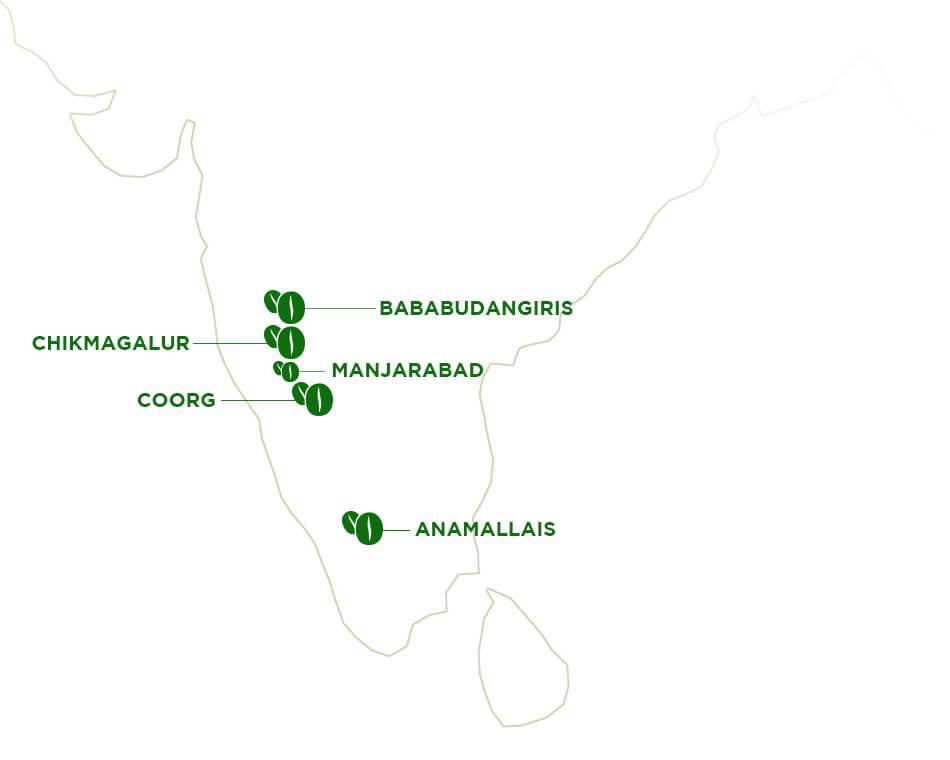
It is one of the
oldest large scale coffee estate of Southern
India. Established in 1830 by Mr. Thomas
Cannon, these coffees were sold as early
as 1860 in the London market for a premium
as 'Cannon's Coffee, Mylemoney Brand'. Situated
at 3400 - 3800 ft (1036 - 1158 metres) on
gently sloping mountain soils in the birthplace
of coffee in India - Chikmagalur, it produces
some of the finest shade grown Arabicas.
Rated
the second highest by Ken Davids, he has
described its coffees as: Low-toned aroma,
round acidity, full body. Hints of sandalwood,
orange and chocolate in the aroma. Balanced
and understated in the cup, but not simple;
rather, rich, sweet and gently fruity.
Valparai Gold
Valparai's
Arabicas are sought after by speciality
brew masters world over since 1897 for its
very sweet aroma, crisply balanced acidity
and full body. Cleanly and roundly fruity,
even juicy, in the cup with a hint of sweetness.
Located
in the heart of the Anamalais region of
Tamil Nadu state in Southern India, Valparai
is home to a wide variety of wild animals
and birds. 'Anamalais' means 'Elephant hills'.
As the name suggests, one might bump into
an elephant unexpectedly around the corner.
Balmany
Devaracadoo Estate
Located in
India's most celebrated Robusta growing
region - Coorg, at an elevation of 3000
ft, this is a 100 per cent organic estate
which was rated the second highest amongst
Robusta estates by Ken Davids. All biodegradable
and agricultural wastes found on this estate
are composted and transformed into vermin-compost
and applied to the soil as rich organic
fertilizer. The estate has been certified
organic by Skal & IMO for NOP and EU
norms respectively. Ken David's description:
complex, sweetly pungent aroma, full body,
touch of acidity. In the aroma, nuts, vanilla,
flowers, and a hint of freshly tanned leather.
In the cup, richly bittersweet, though more
sweet than bitter,
Ubban
Estate
The Ubban
Estate is located at an elevation of
2600-3100 ft. Ubban grows both Arabica and
Robusta varieties of coffee in a 100 per
cent shade covered environment abounding
in tropical hardwoods.
The
beans are demucilaged, fermented and sun-dried.
Judged best Arabica from Manjarabad district
in the Flavour of Fine Cup Award 2004, Kenneth
Davids has described it with adjectives,
round, slightly pungent aroma, softly balanced
acidity and full body. There are hints of
cedar, raisins, dark chocolate and caramel
in the aroma. In the cup, it is very rich
with dark raisin-toned chocolate flavour.
The clean, rich short finish has a slight
bitterness in the long-run
Bhagya
Estate
Bhagya
Estate is located at an elevation of
3100 ft in the Manjarabad region. Arabica
and Robusta are both grown here and this
estate has been recognised for producing
the best Arabica coffees from this region
in the India International Coffee Festival
2002.
The
beans are demucilaged, fermented and sun-dried.
Bhagya Estate has been given the Certificate
of Merit winner, Flavour of India Fine Cup
Award 2004.
Kenneth
Davids rates this as a very sweet aromatic
full-bodied coffee with crisply balanced
acidity. The caramel aroma has hints of
apricot and milk chocolate and is cleanly
and roundly fruity, even juicy, in the cup.
Monsooned
Malabar Coffee
Monsooned coffee
is unique to India. The monsooning of coffee
was discovered by accident in the 1950's
when coffee beans shipped from the ports
of Malabar coast, travelled to Europe during
the wet monsoon months and were found to
have swollen in size due to absorption of
moisture in the air. This produced a coffee
with distinctive lingering mellow flavour,
which has since become extremely popular.
The preparation of monsooned coffee is an
elaborate process carried out at the Malabar
and Konkan coast of the country and the
entire operation of monsooning takes about
10 to 12 weeks.
At
Tata Coffee Ltd., the process starts by
selecting the best whole crop Arabica/Robusta
'A' grade. These coffees are evenly spread
in well-ventilated godowns at our coastal
unit in Mangalore bordering the Arabian
Sea. The process of monsooning is carried
out from the months of June to September
of the year, when the South West monsoon
is very intense on the West Coast. The coffees
are spread on the floor and raked regularly
to mix the top and bottom layers uniformly
and it takes about 8 to 10 days to absorb
the required moisture. During this process,
the coffee beans swell in size to about
one and a half times the normal size with
the colour changing to pale white and golden
or light brown. These coffees are then polished
in a huller, after which it gets a distinct
shining appearance. The coffees are again
graded to remove any defective or un-monsooned
beans and the resulting finest main grades
of monsooned coffees are exported viz.,
Monsooned Malabar AA, Monsooned Basanally
and Monsooned Robusta AA.
Sizing
| Description |
Sieve
Size |
Tolerance |
| Monsooned
Malabar AA |
7.25
mm |
90
per cent size by 2 per cent triage by
weight |
| Monsooned
Basanally |
6.50
mm |
75
per cent size by 3 per cent triage by
weight |
| Monsooned
Robusta AA |
7.10
mm |
90
per cent size by 3 per cent triage by
weight |
At
the end of the process, the monsooned coffees
will have moisture of around 13 per cent.
The coffees are then fumigated and packed
in 50 kg per bag for delivery.
Contact:
Green Bean Exports
Ms Vinaya Chinappa
Phone: 080-23560695-97
23561979-81
3\23560708-714
Fax:080-23561974
email:expblr@tatacoffee.com
top
|